

Screen time reduces blinking, drying the tear film. Ease strain with the 20-20-20 rule, softer lighting, proper screen height, and preservative-free lubricating drops.
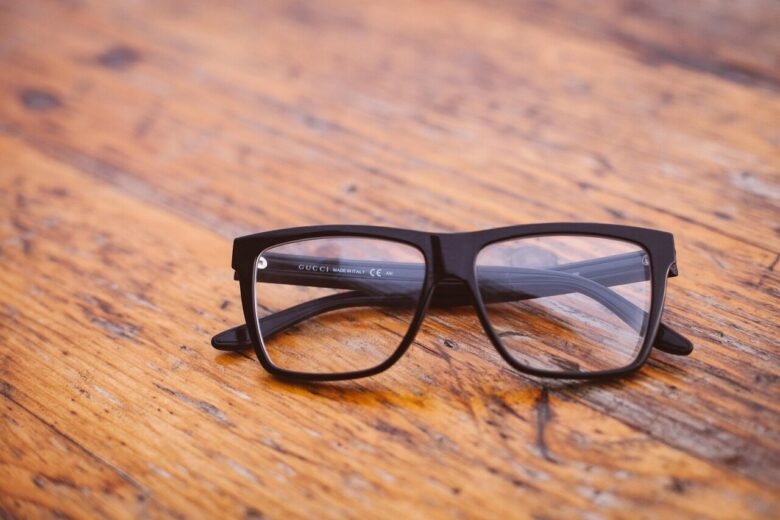
Use your latest prescription, measure pupillary distance, and compare frame width, bridge, and temple length to a pair that fits. Check returns before ordering.

Computer Vision Syndrome affects remote workers through prolonged screen use, causing eye strain, dryness, headaches, and blurred vision. Simple habits can reduce daily discomfort.

Choose computer glasses with an accurate prescription, anti-reflective coating, and lenses matched to screen distance. Prioritize comfort, fit, and blue-violet light filtering.

Tired eyes often result from prolonged screen use, poor lighting, dry air, or uncorrected vision. Reduce strain with regular breaks, proper screen distance, blinking, and adequate lighting.
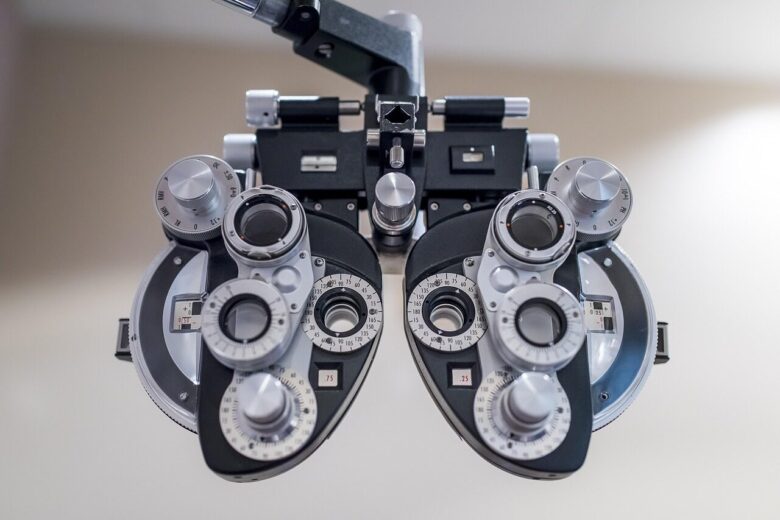
Routine eye exams help detect vision changes, eye disease, and health risks early. Frequency depends on age, symptoms, eyewear needs, and medical history.

Reduce eye strain: match screen brightness to your room, use warmer color temperature at night, enlarge text, and keep contrast comfortable-not harsh.

Blurry vision after screen time often signals digital eye strain or dry eyes. Try the 20-20-20 rule, blink often, adjust lighting, and seek an eye exam if symptoms persist.

Contact lenses suit active days and wider vision, while glasses offer easy care and style. The better choice depends on comfort, budget, eye health, and routine.

Build a healthier screen routine by scheduling focused work blocks, taking 20-20-20 eye breaks, adjusting brightness, and setting firm cutoffs for study, gaming, and sleep.